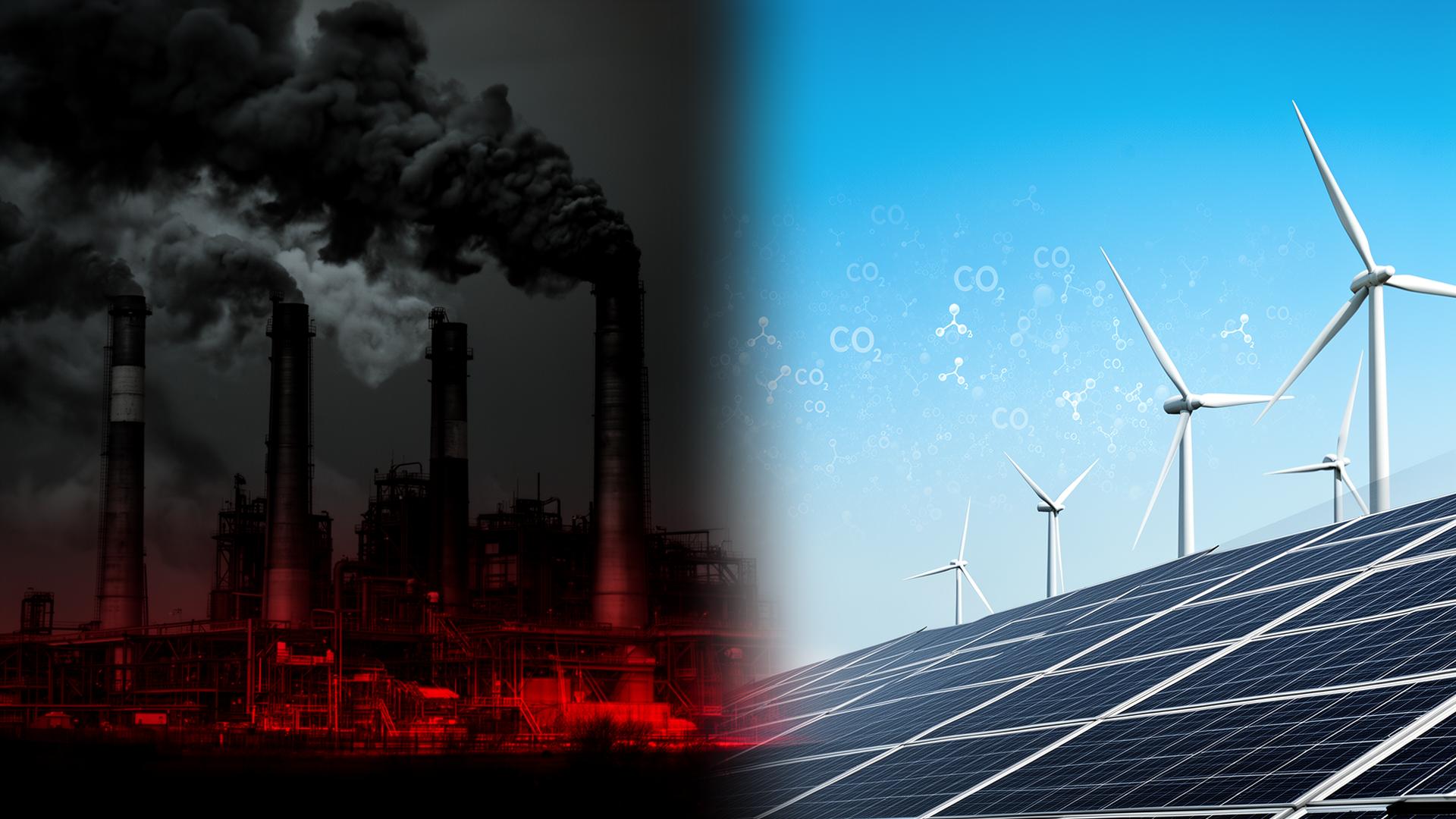
Carbon Footprint
Measuring, reducing, and offsetting our carbon emissions - transparent climate action across all operations.
A carbon footprint is the sum of all greenhouse gas emissions - primarily carbon dioxide (CO₂) - from human activities, ranging from energy use to transportation and production. The bigger the footprint, the greater the effect on climate change. We're committed to reducing ours at every opportunity.
Where a Battery Company's Emissions Actually Sit
Greenhouse gas accounting divides emissions into three scopes. Scope 1 is what a company burns directly — its own vehicles and on-site fuel. Scope 2 is the electricity and heat it buys. Scope 3 is everything else across the value chain: purchased raw material, inbound and outbound transport, the product in use, and its treatment at end of life.
For a manufacturer of batteries, lubricants and tyres, Scope 3 dominates by a wide margin. Lead, plastics, base oils and rubber all carry substantial embodied carbon from extraction and refining, and shipping physical goods across continents adds more. Office and factory energy use, while worth reducing, is the smaller part of the picture.
That is why the levers that matter most sit in sourcing, product life and recovery — responsibly sourced materials and energy-efficient production at the input stage, longer service life to spread embodied carbon across more years of use, and closed-loop recycling so material re-enters production instead of being extracted again.
How We Reduce Our Carbon Footprint.
Clean Energy Solutions
The carbon footprint comes mostly from fossil fuels. Hence, we concentrate on renewable energy storage solutions that:
Sustainable Manufacturing Practices
Our energy storage solutions incorporate sustainability at every stage.
Circular Economy & Battery Recycling
Batteries are a major means for storing renewable energy, yet their improper disposal can damage the environment.
Emissions Avoided in Use.
For an energy storage business, the biggest climate contribution is usually not its own operations but what its products displace. In markets with unreliable supply, the alternative to stored power is almost always burning fuel.
Displacing Diesel Backup
Where outages are routine, the default backup is a diesel generator running for hours daily. An inverter and tubular battery system covers the same outage without burning fuel, and without the local air quality and noise that come with it.
Making Solar Usable
Solar generates during daylight; demand continues after dark. Without storage a large share of that generation is simply unavailable when needed. Deep-cycle storage is what converts intermittent generation into dependable supply, and it is the condition for solar displacing fuel rather than supplementing it.
Right-Sized Backup
Running a large inverter to keep a router alive wastes most of the energy in conversion and idle draw. Matching the backup to the actual load — a small wall UPS for connectivity, a full system where it is genuinely needed — reduces consumption without reducing what stays on.
Recycling contributes on the same side of the ledger: recovering lead from used batteries requires far less energy than producing it from ore, so a functioning collection route is a carbon measure as well as a waste measure.
The Impact of Reduction.
Lowering carbon emissions is a matter of assuring a livable future. With environmental footprint reduction, we are able to:
Common Questions
Emissions, Answered.
Scopes, embodied carbon, avoided emissions and the documentation buyers request.
What are Scope 1, 2 and 3 emissions?
They are the three categories used in greenhouse gas accounting. Scope 1 covers direct emissions from sources a company owns or controls, such as its own vehicles and on-site fuel use. Scope 2 covers indirect emissions from the electricity, heat and steam it buys. Scope 3 covers everything else in the value chain — purchased materials, transport, distribution, product use and end-of-life treatment. For a manufacturer of batteries, lubricants and tyres, Scope 3 is by far the largest share, which is why sourcing, product life and recycling matter more than office energy use.
What is embodied carbon, and why does product life affect it?
Embodied carbon is the emissions produced making a product — extracting raw material, refining it, manufacturing, and shipping it — before it is ever used. That figure is incurred once per battery. A battery lasting seven years rather than three therefore spreads the same embodied carbon over more than twice the service delivered. Designing for longer cycle and float life is one of the few decisions that reduces emissions and customer cost at the same time.
How does energy storage reduce emissions in practice?
In markets with unreliable grid supply, the default backup is a diesel generator running for hours at a time. A battery and inverter system, or a solar-plus-storage installation, displaces that fuel burn directly for the periods it covers. The emissions avoided in use typically outweigh those from manufacturing the battery — which is why, for an energy storage business, the largest climate lever is what the products enable rather than operational footprint alone.
Does recycling reduce carbon emissions as well as waste?
Yes, substantially. Producing lead from recycled batteries requires far less energy than producing it from ore, because the refining and extraction stages are largely avoided. The same principle applies to the polypropylene casing. So a closed-loop recycling route is a carbon measure as much as a waste measure, and the collection network is what determines whether that saving is actually realised.
Does Tesla Power Energy publish emissions figures or targets?
The company states commitments to energy-efficient production, responsibly sourced materials, waste reduction and closed-loop recycling, and holds ISO 14001 certification for environmental management. Specific emissions data and any market-level reporting should be requested through the regional team, since measurement scope and reporting requirements differ considerably between the countries served.
What emissions information do distributors need for tenders?
Institutional, telecom and government tenders increasingly ask suppliers for evidence of environmental management systems, responsible sourcing, and end-of-life handling — often before price is considered. ISO 14001 certification, the compliance management policy, the responsible supply chain policy and a documented battery collection route usually cover what is requested. The regional team can supply current documentation.
Our Commitment to Sustainability.
Tesla Power Energy is actively creating a future where clean power is the norm. Through responsible innovation, we create a greater positive impact on Earth.
Get in Touch