Responsible Supply Chain
Ethical sourcing, fair labour practices, and environmental compliance across our global supplier network.
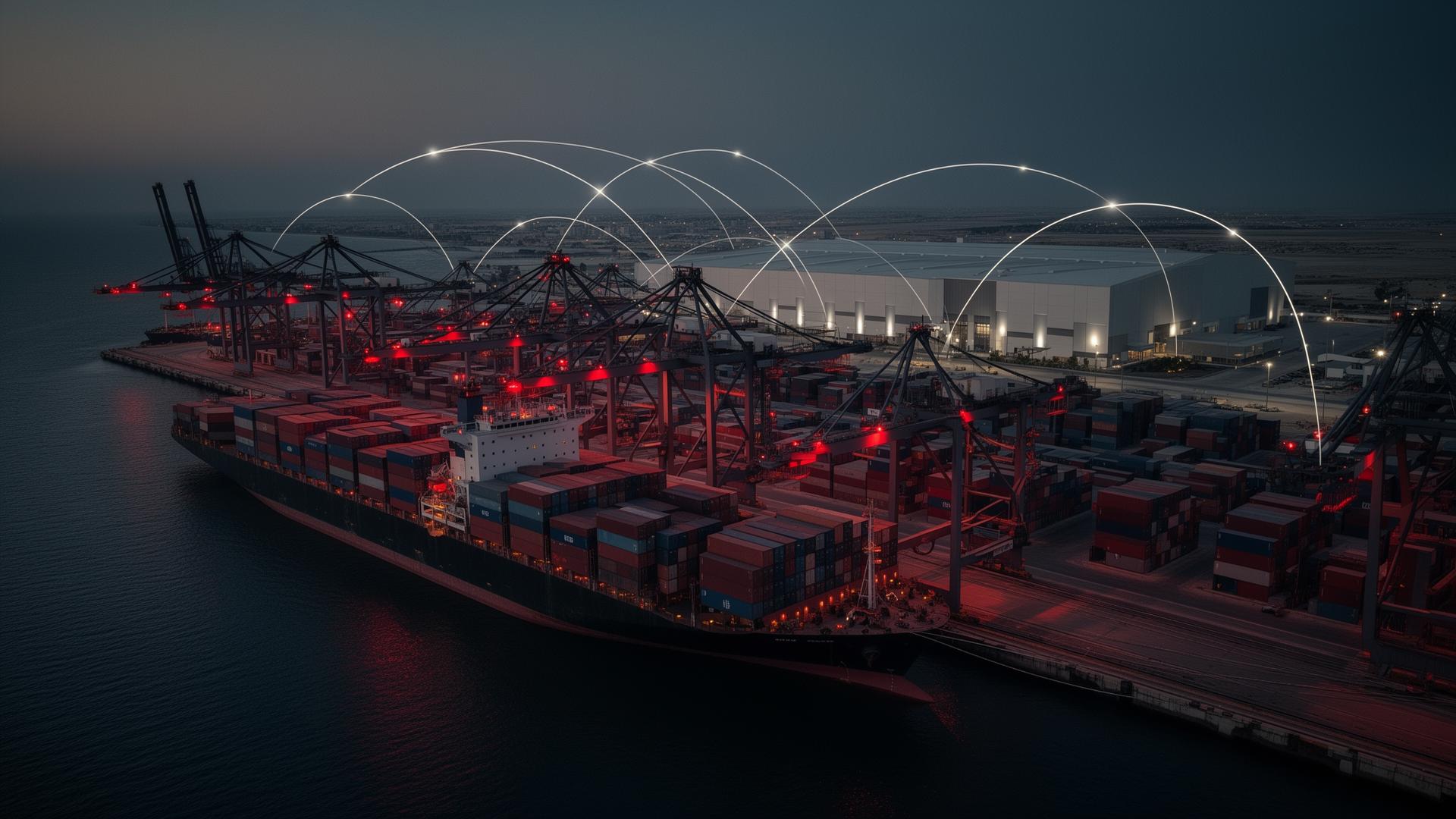
At Tesla Power Energy, the scope of the supply chain is not merely moving products from point A to point B. It adds to efficiency, responsibility, and the long-term impact on the planet. A great supply chain makes wise use of resources, causes the least waste, and ensures every process - from sourcing raw materials to delivering final products - is ethical and sustainable.
Responsible Sourcing Begins with the Material
For a battery manufacturer, responsible sourcing is not an abstract commitment. It concentrates almost entirely on one material. Lead accounts for the majority of a lead-acid battery by weight, and it can arrive by two routes: mined from ore, or recovered from batteries that have reached the end of their service life.
Recovered lead is the better route on both counts — it requires far less energy than primary production, and it keeps material circulating rather than extracting more. But recovery itself is where the risk sits. Licensed smelters operate with emissions controls, worker protection and regulated waste handling. Informal operations, which exist in several markets, have none of these, and lead exposure causes serious and permanent harm to the people working there and to nearby communities.
This is precisely what chain-of-custody documentation is for. It records where material originated and every party that handled it, so a buyer can distinguish regulated recovery from unregulated. Ethically sourced raw materials meeting environmental and labour standards, supplier transparency, and certification to recognised global standards are the commitments that make that distinction verifiable rather than assumed.
How We Ensure Responsibility.
Responsible Sourcing & Procurement
The source of the raw material is what matters.
Smart Inventory & Distribution Management
Efficiency advances the cause of sustainability.
Circular Economy & Reverse Logistics
The product journey does not end upon delivery.
A Supply Chain That Runs Both Ways.
A conventional supply chain moves material one way and stops at the customer. A circular one has a return leg — and that leg only exists if the distribution network operates it.
| Stage | What responsibility means here | Who acts |
|---|---|---|
| Sourcing | Documented origin, licensed recovery, labour and environmental standards | Manufacturer, suppliers |
| Production | Energy-efficient processes, waste reduction, minimal raw material use | Manufacturer |
| Inventory | Stock levels matched to demand so nothing is produced then scrapped | Manufacturer, distributor |
| Distribution | Planned routing and efficient warehousing to cut transport emissions | Distributor, logistics |
| Service life | Repair and refurbishment to extend use before replacement | Dealer, workshop |
| Return leg | Collection of used batteries and routing to licensed recyclers | Dealer, distributor |
The final row is the one most often missing in practice. A distributor operating a take-back point at the counter is the mechanism that closes the loop — and in a growing number of markets, a documented collection route is becoming a condition of institutional supply rather than a voluntary extra.
The Benefits.
Common Questions
Supply Chain, Answered.
Chain of custody, lead sourcing, due diligence and the documentation buyers request.
What does chain of custody mean in a battery supply chain?
Chain of custody is documented evidence of where a material came from and every party that handled it on the way to the finished product. For batteries the material of consequence is lead, and the question chain of custody answers is whether it came from a licensed, regulated smelter or from an informal one. Without that documentation a buyer cannot distinguish between the two, which is why certification to recognised standards is part of responsible sourcing rather than an administrative formality.
Why does lead sourcing matter more than other materials?
Because it is the dominant input by weight and by risk. Lead can be produced from mined ore or recovered from used batteries, and recovered lead requires far less energy — so secondary lead is both the lower-carbon and the circular option. The concern is how it is recovered. Informal, unregulated smelting is a documented public health hazard in several markets, exposing workers and nearby communities to lead. Sourcing through licensed operations with documented chain of custody is what separates responsible recycling from harmful recycling.
What does supplier due diligence involve?
Assessing suppliers against environmental and labour standards before engagement, and auditing them during it. In practice that covers where raw materials originate, whether workplace conditions meet international standards, whether child or forced labour exists anywhere in the chain, and whether environmental permits and waste handling are in order. Tesla Power Energy states that supplier due diligence is applied so its values extend across the entire supply chain, with regular audits and resolution where issues arise.
What is reverse logistics and why does it belong in the supply chain?
Reverse logistics is the flow that runs backwards — used batteries returning from customers through dealers to recyclers. It matters because a circular supply chain only closes if the return leg physically exists. Battery recycling programmes, repair and refurbishment, and compliant disposal all depend on the distribution network working in both directions, which makes distributors and dealers part of the supply chain rather than its endpoint.
How do logistics decisions affect the footprint?
Distribution is a meaningful share of emissions for physical goods shipped across continents. Optimised stock levels avoid producing units that are never sold, efficient warehousing reduces energy use in storage, and planned distribution routes reduce transport emissions per unit delivered. These are also cost measures, which is why supply chain efficiency and environmental performance usually move in the same direction.
What supply chain documentation can distributors request?
Institutional, telecom and government tenders often require evidence of supplier standards before a bid is considered. Between this policy, the compliance management policy, the labour and human rights policy and ISO 9001 and ISO 14001 certification, most standard requests are covered. Distributors should contact the regional team for current documentation applicable to their market.
Powering Responsibly.
Every single bit of our supply chain effort is designed to be as sustainable as possible. Through smarter planning, ethical sourcing, and green logistics, we make sure it all has a positive impact.
Partner With Us